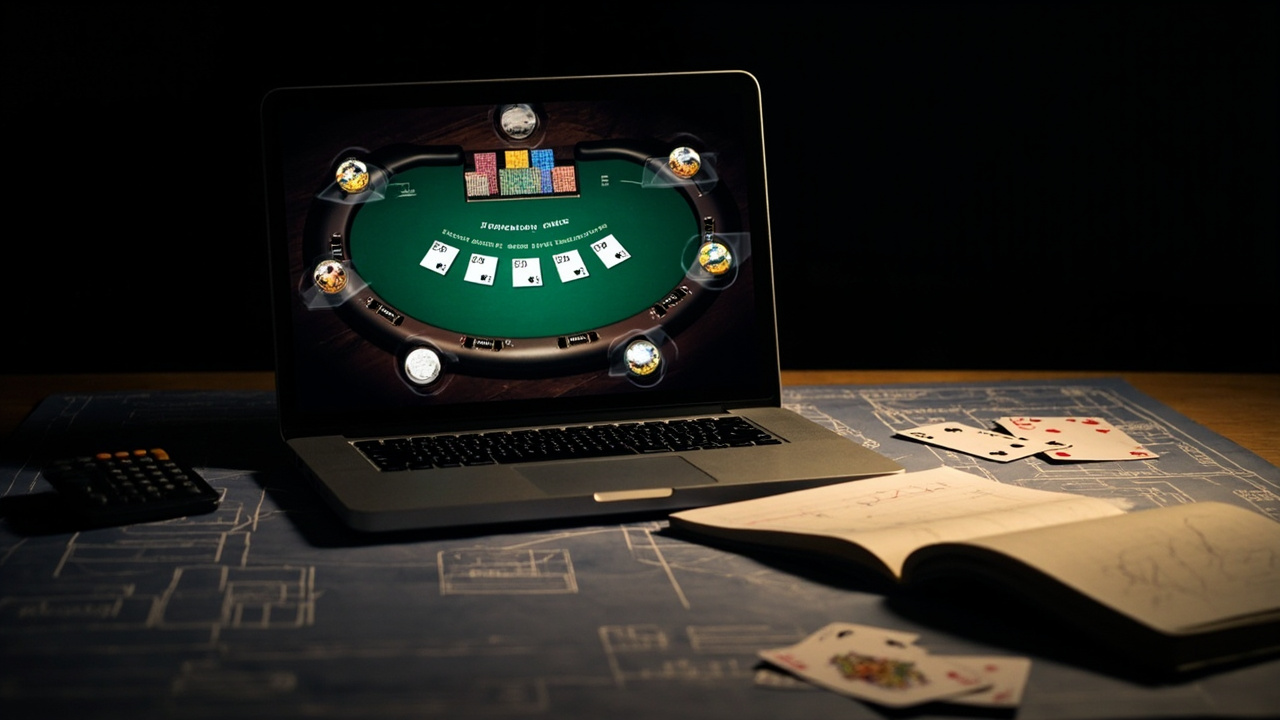
When I first audited baccarat tables for release, the pattern was always the same: players who treated the shoe like a puzzle lost less than those chasing streaks. That QA mindset still shapes how I read casino strategies for baccarat today, especially for Australians weighing a session on a Tuesday arvo. The game itself is simple on the felt, but the discipline around it is what separates a calm session from a messy one. Below, I break down how a measured approach actually fits different play styles, with a practical eye on what holds up under real table conditions.
Reading the shoe with a QA mindset
Baccarat rewards patience more than prediction, and my background in release testing has taught me to treat every shoe the same way I would a pre-launch build: observe the behaviour, note the variance, and never assume the next round will compensate for the last. The banker bet carries a slightly lower house edge, but that edge is a long-run figure, not a promise for a single sitting. Players who understand that distinction usually keep their sessions tighter. If you want a clearer picture of how disciplined pacing works across different casino games, the daily slot races strategy piece offers a useful parallel on keeping your tempo steady rather than reacting to every swing.
The practical move is to decide your loss ceiling and your walk-away point before you sit down, then stick to them regardless of how the cards fall. I have seen operators present baccarat as a fast lane to profit, but from a reliability standpoint the real value is in session control. A player who tracks results without forcing meaning onto short runs will usually finish a night with their bankroll intact, or at least with a clear reason why it changed. That is the difference between gambling on momentum and playing a game you actually understand. Daily Slot Races Strategy for More
When a measured table approach fits your session
The first player-fit scenario is the casual visitor who wants a structured night out rather than a high-variance grind. For that profile, a flat staking plan on banker or player, capped by a time limit, usually delivers the most predictable experience. You are not trying to outthink the shoe; you are buying a fixed amount of table time and accepting the built-in edge as the cost of that entertainment. A Newcastle crowd I have watched over several sessions tends to favour this style on weeknights, when the pace is slower and the drinks are cheaper, and the discipline holds up because the goal is simply to finish on time.
The second scenario suits someone who has already logged enough hands to recognise that streaks happen but do not dictate the next outcome. This player still bets with restraint, but they are comfortable adjusting their unit size within a predefined range rather than chasing a red run. The key judgement call here is knowing when to step back: if a session has drung past your planned window or your results have pushed you outside your comfort band, the right move is to close the seat, not to reframe the evening as a recovery mission. That kind of call is exactly what I look for when I assess whether a product is ready for live traffic.
How a real table session should flow
A clean session starts before you place a chip, and the sequence matters more than most players admit. The following steps keep the night organised and reduce the impulse decisions that usually blow up a bankroll:
- Set a loss limit and a time limit that match your bankroll, not your optimism.
- Choose one primary bet type and avoid switching between banker and player on every hand. crownslot
- Record your starting point and a simple running tally, so you can see the session objectively.
- Take a short break after any run that feels emotionally loud, even if the numbers are still within range.
- End the session when you hit your limit or your time cap, whichever comes first.
That sequence is deliberately plain because baccarat does not need elaborate systems to be played responsibly. What it needs is a player who treats the table like a defined activity rather than a puzzle to solve. When I test a new product, I always verify that the user journey does not reward impulsive behaviour, and the same principle applies at the felt: the fewer decisions you force yourself to make under emotion, the more stable the session stays.
What to expect from the platform side
If you are weighing where to sit down, the operator matters almost as much as your own discipline. A solid baccarat offering should present clear table limits, readable result history, and a layout that does not obscure the actual game state, because confusion is where bad decisions start. I have run release checks on platforms where the interface looked polished but hid important details in nested menus, and that is the opposite of what a baccarat player needs during a live session. The best fit is a product that keeps the game visible, the stakes transparent, and the support reachable without a scavenger hunt.
For Australians, the practical details are straightforward: confirm the payment methods match your usual habits, check that registration is quick but still asks for proper identity checks, and make sure the mobile experience does not compress the table into something you have to squint at. A reliable operator makes those things boring in the best way, because boring means predictable. If you want to compare a local-facing option that keeps that kind of usability front and centre, crownslot is worth a look for how it positions its table games and everyday access. No offshore site can claim an Australian licence, so treat any platform as an entertainment choice with its own rules, not as a regulated local alternative.

A good baccarat session is really a test of your own consistency, and the game is honest enough to show you whether you are keeping to your plan. The players who come out of a night with their money and their temper intact are usually the ones who treated the shoe as a fixed game of chance and managed their time accordingly. That is the approach I trust, and it is the one that survives a long run of hands without needing a miracle to justify it.