The real money pokie machine race has become a fixture on Australian lounge floors and mobile screens alike, but the headline bonus rarely tells the whole story. From a regulatory and governance perspective, the more interesting question is what happens after the first deposit clears and the welcome terms stop subsidising every spin. We asked a few operators and payments specialists how they think about recurring value, and the answers point toward loyalty tiers, cashback structures, and tournament calendars that reward repeat play rather than one-off sign-ups. If you are weighing whether a platform deserves a second look, the ongoing mechanics matter more than the launch promo.
How the Real Money Pokie Machine Race Actually Works
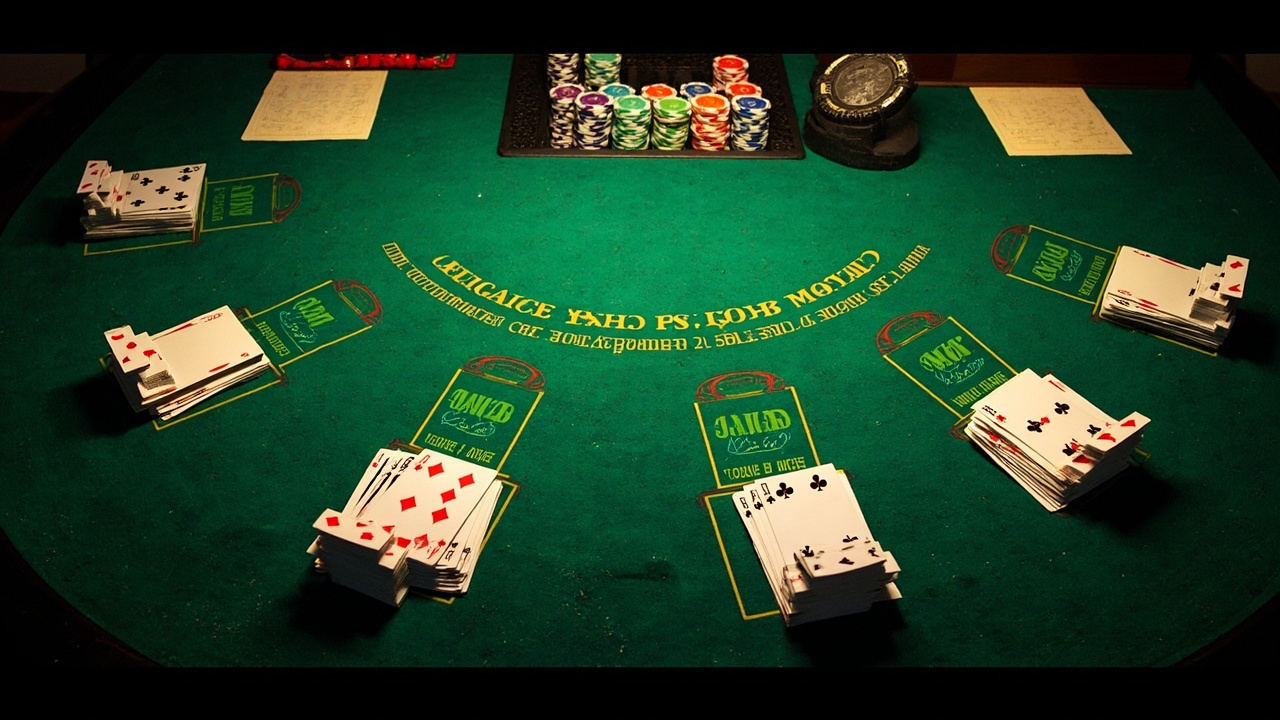
A real money pokie machine race is less a single game and more a structured competition where players stake on outcomes across a rotating set of machines or timed rounds, with payouts tied to placement rather than a flat win. In practice, the format borrows from racing terminology: an each-way terms structure specifies the place fraction and the number of places paid, so a runner that finishes in the top tier still returns a portion of the stake even when the winner takes the bulk. That design matters for bankroll management, because it smooths variance across a session instead of forcing every decision into a binary win-or-lose frame.
From a compliance standpoint, the race format sits in a specific niche. Wagering regulation in Australia treats each product line differently, and a race that blends pokie-style volatility with place-based settlement needs clear terms, transparent rounding rules, and a documented approach to responsible play. Governance teams at scale-up operators tend to treat these products as higher-touch: they require sharper AML monitoring because repeated small stakes can mask unusual patterns, and privacy controls have to keep pace when race results, player rankings, and promotional eligibility all feed into the same data pipeline. The legal framing is not about slowing the product down; it is about making sure the terms survive scrutiny when a player disputes a place settlement or a regulator asks how the race logic was audited.
One industry perspective worth quoting here comes from Archie Taylor, Gaming Technology Consultant, Laneway Interactive Media, who notes that race-based pokie formats live or die on the clarity of their settlement rules. His view is that operators who publish the place fraction, the number of places paid, and the rounding method up front tend to see fewer support escalations later, because players understand how a near-miss translates into a return. That kind of transparency is not glamour work, but it is the difference between a product that feels fair and one that generates complaints when the volatility bites.
Strengths Alongside the Real Conditions
The strongest argument for a real money pokie machine race is that it gives repeat players something to return to after the welcome offer has done its job. A well-built race calendar keeps the 3-hot-chillies-slot-au.com product alive with weekly or fortnightly rounds, and the loyalty layer can turn consistent participation into tangible perks rather than a generic points tally. Cashback on race stakes, for example, can soften the downside of a rough session without turning the product into a guaranteed return machine, and tournaments that reward place finishers as well as outright winners widen the pool of players who feel they have a shot. That recurring structure is where the real value lives, because it gives players a reason to come back on a Tuesday arvo instead of only chasing a first-deposit bonus.
The trade-offs are just as real, and they show up in the terms. Each-way race terms can look generous on paper, but the place fraction and the number of places paid determine whether the math actually works for a smaller stake. A race that pays only the top two places with a modest place fraction will feel very different from one that pays five or six places with a stronger fraction, and players who do not read that detail often overstate their expected return. Volatility is another constant: pokie-style races can still swing hard, and no amount of cashback or loyalty points changes the fact that the underlying outcomes are governed by the game logic, not by how loyal you have been. Responsible play limits, deposit caps, and session reminders are not optional extras here; they are the guardrails that keep a race format from becoming a drain on a bankroll that was never built for high-variance sessions.
Payments and registration also shape the experience more than marketing usually admits. A platform that supports Australian dollars, keeps the deposit and withdrawal paths on the same currency, and runs a straightforward identity check at registration tends to feel less friction-heavy over time than one that introduces currency conversion or staggered verification after the first win. George, old casino slang for a generous tipper, has largely given way to digital loyalty perks, but the underlying behaviour is similar: players notice when a product rewards engagement fairly, and they notice when the support structure feels stiff. Mobile play has to hold up under the same standards, because a race that looks tidy on a desktop can become clunky on a phone if the race timer, place settlement, and bonus toggles are not laid out with care.
Ella Fraser, Payments Strategy Director, Sunburnt Country Interactive, puts the payment side into perspective with a caveat that operators ignore at their own risk. Her view is that recurring value collapses quickly if the withdrawal path is slower or more conditional than the deposit path, because players who cannot cash out a race win or a loyalty redemption without a fresh round of checks will stop treating the product as a recurring destination. That is a practical judgement call rather than a marketing line, and it is the kind of detail that separates a platform people return to from one they try once and leave.
For players in the north, the local context matters in small but real ways. Darwin venues and mobile players alike deal with heat, long sessions, and the kind of routine where a race product needs to fit around work and travel rather than demanding a fixed seat in front of a screen. A race format that runs on a predictable calendar, keeps the each-way terms visible, and does not hide the place fraction behind a support ticket is easier to fit into that rhythm. The same is true for privacy and governance: players who care about how their data is used should look for operators that treat race results, loyalty eligibility, and promotional targeting as separate considerations rather than one blended profile. That separation is not just a compliance nicety; it is what lets a player stay in the game without feeling tracked across every session.
A second expert view helps round out the player-fit picture. Leo O’Brien, Sports Betting Analyst, Swan River Interactive, sees race-based formats through the lens of structured settlement rather than pure chance, and his caveat is that players should treat the place terms as the real product spec, not the headline prize. His point is that a race can feel engaging even when the outright winner takes most of the pool, provided the each-way terms are clear and the loyalty and cashback layer gives repeat players a reason to stay in the field. That is a useful lens for anyone deciding whether a platform is built for recurring play or just for a strong launch week.

Who This Fits Best
A real money pokie machine race suits players who want a recurring product with visible terms and a loyalty layer that actually changes the experience over time. It is a better fit for someone who reads the each-way terms, understands the place fraction, and is comfortable with pokie-style volatility managed through cashback and tournament participation rather than chasing a single big win. It is less suited to players who want a flat, low-variance session or who prefer to judge a platform only by its welcome offer, because the ongoing value here depends on reading the recurring mechanics and using them deliberately.
If you are comparing platforms on ongoing value rather than the first bonus, a careful luckyelf review can be a useful reference point for how a site structures its race calendar, loyalty perks, and cashback after the welcome terms fade. The practical side of that comparison matters even more for players who want to understand how a platform handles recurring play in a regulated market, and a practical Sydney guide lays out how real money play is approached locally without implying any offshore licensing or regulation in Australia. Neither source changes the maths of a race, but both help frame what to look for once the welcome offer is no longer doing the heavy lifting.
The real money pokie machine race is at its best when the ongoing mechanics are honest, the each-way terms are easy to find, and the loyalty and cashback layer gives repeat players a reason to return after the first session. It is not a shortcut to steady profit, and it is not a product that rewards ignoring the terms, but for players who want a structured race format with recurring value and clear settlement rules, the focus on what happens after the welcome screen is where the product earns its place.
Skriv et svar